October 08, 2026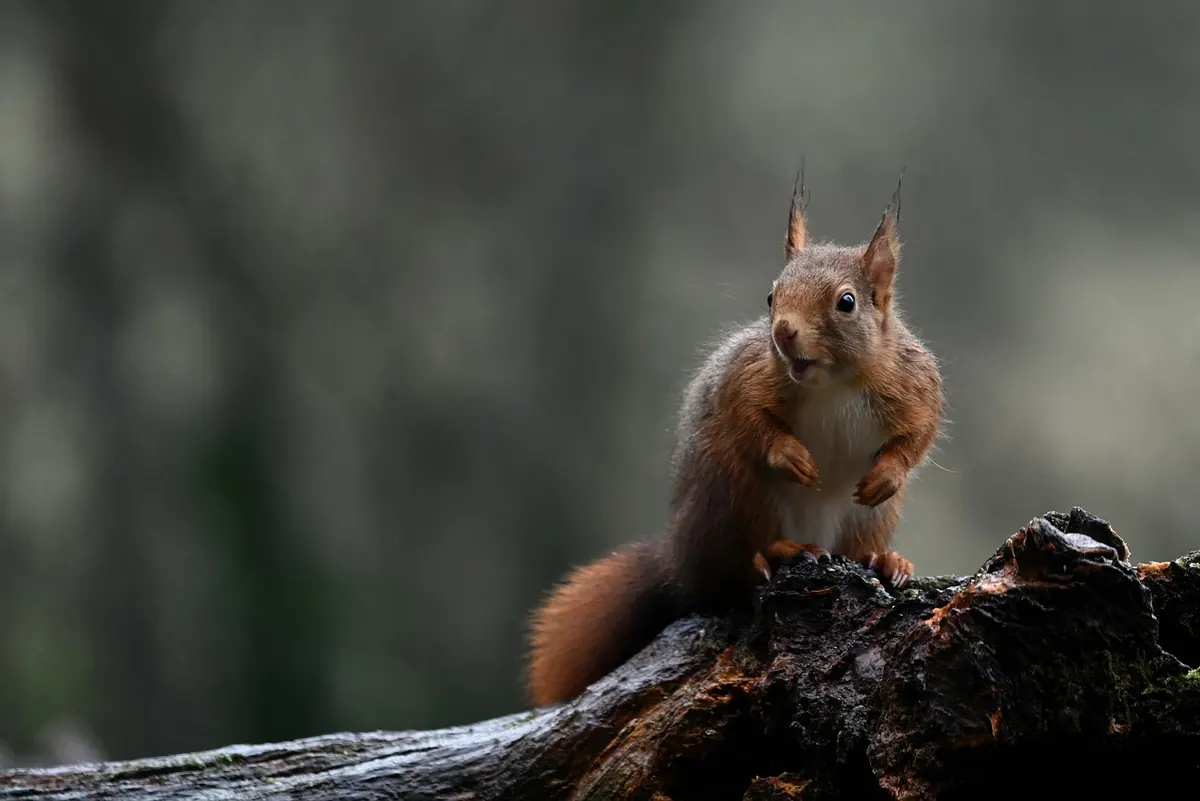
The ferry from Sandbanks takes about five minutes. In that time the mainland noise drops away and you're looking at a wooded island ringed by mudflats, with the Purbeck Hills behind it and the wide water of Poole Harbour all around. Brownsea is small enough to walk in an afternoon and rich enough to fill a day.
It is owned by the National Trust, and at its centre sits a Dorset Wildlife Trust reserve that ranks among the most important bird sites on the south coast. Add red squirrels in the pines and a handful of free-roaming peacocks, and you have the best beginner's wildlife day out in Dorset.
Four habitats in one small island
Almost everything you'll see on Brownsea comes down to the fact that the island packs several landscapes into a short walk. At its widest it is barely a mile and a half across, and the main paths loop round in two or three hours at an amble.
- Woodland — pine, oak and sweet chestnut in the middle of the island, and the best place for squirrels.
- Heathland — open heather and gorse, alive with dragonflies and basking lizards in summer.
- The lagoon — shallow brackish water behind a seawall, fenced off and managed specifically for nesting and roosting birds.
- Shoreline and mudflats — the harbour edge, where waders feed as the tide moves in and out.
The lagoon itself has no public access. You watch it from the hides, which is precisely why so much nests there. That single decision — build a bank, let it flood shallow, then leave it alone — is the reason Brownsea's bird list reads the way it does.
Red squirrels: where and when to look
Brownsea's red squirrels are the reason many people make the crossing. The population has been established here for well over a century, and with no grey squirrels on the island there is no competition for food and no squirrelpox to knock them back. That makes Brownsea one of the most reliable places in southern England to see one.
Timing matters. Squirrels are busiest in the first few hours of daylight and again in late afternoon, so an early boat or a late one beats the middle of the day. High summer at noon is the quietest hour on the island, and it's easy to walk a whole path without a sighting.
Walk the woodland paths between the quay and the church, slowly, and look up as much as ahead. Listen for scratching on bark, the patter of small feet along a branch, and the soft thud of a half-eaten cone hitting leaf litter. One piece of fieldcraft is worth learning: the chewed pine cone. Squirrels strip cones for the seeds and leave the cores piled at a favourite stump or log. Find a pile and a scattering of debris, sit down quietly nearby and wait — this is how most good sightings happen.
The calendar adds its own moments. Late winter and early spring bring the chase, when squirrels tear round and round a trunk in noisy courtship. Autumn is the caching season, and a squirrel making repeated trips to the same hiding place is easy to watch for minutes at a time.
They are reasonably used to people, but they are still wild. Keep your distance, keep your voice down, and don't feed them.
Birds: the lagoon, the woods and the water's edge
Brownsea sits in the middle of Poole Harbour, one of the largest natural harbours in Europe and an internationally important site for waterbirds. Tens of thousands of waders and wildfowl use the harbour across the winter. Even a casual visitor with a cheap pair of binoculars will see things here that are hard to find elsewhere in Dorset.
From the hides
In spring and summer, look for avocets sweeping their bills through the shallows, along with shelduck, oystercatchers and black-tailed godwits in rusty breeding plumage. Sandwich and common terns nest on the low islands inside the lagoon and spend the day plunge-diving and squabbling. In winter the same water fills with teal, wigeon and hundreds of dunlin, with brent geese grazing the mudflats outside and spoonbills standing grey-white and improbable among the shallows. The hide windows mean you don't need to carry a telescope.
In the woods and on the heath
Green and great spotted woodpeckers, nuthatches, treecreepers and goldcrests all live in the pine and oak, and the undergrowth is noisy with tits and chiffchaffs in spring. Out on the open heath in summer, hobbies hunt dragonflies on fast wings, and stonechats watch from the gorse tips.
Along the shore
Little egrets stalk the shallows, oystercatchers pipe along the waterline, and a kingfisher flashes past the quay more often than you would expect. Watch what happens as the tide drops: the mudflats that appear are a feeding table, and the birds simply follow the water's edge out.
When to visit: a season-by-season guide
Brownsea changes character completely with the calendar, so the season you pick decides what you will actually see.
- Spring (April–May) — the best all-round window. Woodland birds are singing, terns are back on the lagoon islands, and the squirrels are active and visible against bare branches.
- Summer (June–August) — warmest and busiest. The heath hums with insects and hobbies hunt over it, but the middle of the day is dead for mammals and the ferries fill up quickly.
- Autumn (September–November) — the connoisseur's choice. Squirrels cache food frantically, migrant birds pass through, and the paths are quiet again.
- Winter (December–February) — the best time for birds, with big flocks on the lagoon and brent geese on the water, but sailings and facilities are reduced, so check before travelling.
If you want one answer: late April to mid-May for birds, or a bright October morning for squirrels and empty paths.
Getting there: ferries and practicalities
Two public ferries serve the island — one from Sandbanks, a five-minute hop that runs through the main season, and one from Poole Quay, a longer and more scenic crossing. Sailings are seasonal and the last boat back leaves in the late afternoon, so check times before you set out. It does not wait for stragglers.
Entry is free for National Trust members, and everyone else pays an admission charge at the quay; your ticket covers the Dorset Wildlife Trust reserve and its hides. There is a café, a small shop and toilets near the landing stage, and that is the only place to buy food, so carry water for the walk. Dogs are not allowed on the island apart from assistance dogs, and drones are off limits.
One non-wildlife detour is worth the ten minutes: a stone in the woods marks the site of the experimental Scout camp of 1907, which is why Scout groups from around the world still make the pilgrimage.
Take the earliest boat you can reasonably manage. The island is at its best in the first hour after landing, before the day-trippers arrive and while the squirrels are still feeding.
Practical tips for a better visit
- Bring binoculars. Even modest ones transform the lagoon; a telescope is a bonus, not a requirement.
- Dress dull and walk quiet. Bright colours and conversation carry further than you think in open woodland.
- Sit still for ten minutes. Most wildlife on Brownsea is missed by people who never stop moving.
- Check the tide table. A falling tide brings waders close to the shore path; a high spring tide pushes them onto the lagoon.
- Stay on the paths in the reserve and around the lagoon, and take everything you bring away with you.
Do all that and Brownsea rewards you twice over: a handful of close squirrel sightings, a hide full of birds, and a five-minute ferry ride back to a mainland that suddenly seems much louder than it did that morning.
Photo: brigitteJ / Pixabay