September 27, 2026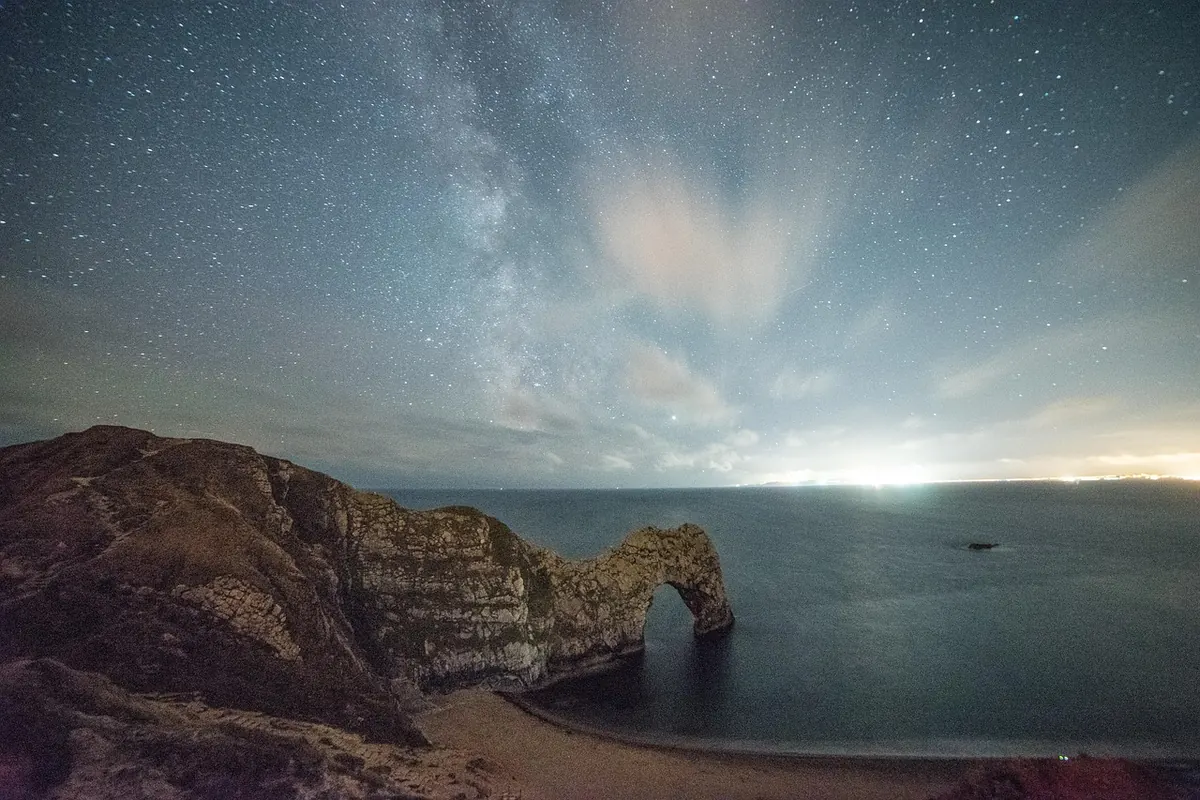
Dorset looks manageable on a map, then quietly eats your day. The distances are modest, the lanes are narrow, and the tide has no interest in what time you booked lunch. Most first trips go wrong in the same handful of ways, and every one of them is easy to sidestep with twenty minutes of planning the night before.
1. Treating Dorset as One Place Instead of Several
The county is roughly 60 miles across, which sounds like nothing until you are stuck behind a tractor near Chideock in August. Poole to Lyme Regis is a solid hour and a half on a good day; add the Sandbanks chain ferry queue or a closed road near Corfe and it becomes two.
Pick an area per day. One day for Purbeck — Swanage, Corfe Castle, Studland, Durdle Door. Another for the west — Charmouth, Lyme Regis, West Bay, Golden Cap. Trying to squeeze Brownsea Island, Lulworth Cove and Chesil Beach into one outing means you will spend most of it in the car and see each place for twenty rushed minutes.
2. Ignoring the Tide Times
This is the mistake with real consequences. Dorset's coast is not a gentle, predictable shoreline. Beaches shelve steeply, the water arrives quickly, and several popular spots change shape entirely between low and high water.
Check the tide table for the specific beach, not just "the coast", and note the low-water window if you want to explore rock pools or walk the sand. Around Durdle Door, Kimmeridge and Worbarrow Bay, give yourself a generous margin — being cut off by an incoming tide is a genuine risk, not a theoretical one. Never walk around a headland at mid-tide, and never swim at a beach with no lifeguard cover. Lifeguards patrol the main resort beaches seasonally; elsewhere you are on your own.
3. Turning Up Without a Parking Plan
Parking is the single biggest source of holiday friction here. Many car parks are small, several are pre-book-only in peak season, and a few fill by 9:30am on a sunny Saturday.
- Lulworth Cove and Durdle Door: book ahead in summer; the estate's car parks are the only realistic option and do sell out.
- Studland, Sandbanks and Kingston Lacy: check whether an advance booking or membership makes sense.
- Kimmeridge, Charmouth and Seatown: small, popular, and awkward to reach twice in one day — commit to arriving early.
- Village pubs and beaches without a car park: read the signs carefully. Narrow residential lanes are not overflow parking.
Download the relevant parking app before you leave the house. Signal in the Purbecks can be patchy, and nobody wants to be fumbling for a card at a barrier while a queue builds behind them. Keep a bit of cash too; a few rural car parks still take coins only.
4. Leaving Accommodation and Tables to Chance
Dorset's summer weekends, school holidays and bank holidays book out months ahead. If you are set on a specific weekend, book the room first and plan everything else around it.
Food works the same way. Village pubs and small seafood places have limited covers, and by 7pm on a Friday the answer is often no. Ring the day before, or accept a late table. Self-catering visitors should also note that village shops keep short hours and the nearest supermarket can be a 20-minute drive.
5. Overestimating What You Can Walk
The South West Coast Path is beautiful and relentless. A five-mile stretch with three steep climbs, stiles and slippery chalk can take two to three hours with stops, not the 90 minutes it takes on the flat at home.
Wear proper shoes, carry water, and check the route's ascent rather than just its length. Take a paper map or an offline download: coastal signal drops in and out, and cliff paths are not the place to discover your battery is at four per cent. Tell someone your plan, and turn back if the path is wet or the wind is up.
6. Packing for the Postcard, Not the Weather
Coastal Dorset can be bright and warm at Corfe Castle and cold and misty at Durdle Door an hour later. Sea breezes cut through a t-shirt, and the sea stays cool well into summer even when the beach feels hot.
Bring layers, a windproof jacket, sunscreen and a hat you can tie down. Good walking shoes matter more than a second pair of sandals. A power bank, a refillable bottle and a small towel round it out nicely.
7. Forgetting That Rural Dorset Runs on Its Own Timetable
Buses such as the coast-hopper services are scenic and useful, but they run seasonally and infrequently, and the last one back matters. The Sandbanks chain ferry, the Swanage Railway and the Poole to Brownsea ferries all stop at times worth writing down.
Attractions close for the season or shut on certain weekdays outside summer, and last admission is usually well before the gates lock. If you plan to visit Tyneham or walk the ranges near Lulworth, check the firing times and opening days first. Assume nothing is open by default, and check the day before.
How to Plan a Dorset Day That Actually Works
- Choose one area and three things in it. Anything more is a driving day.
- Look up the tide and the sunset for that beach.
- Book parking, ferries and any timed entry the night before.
- Check the forecast in the morning and have a wet-weather alternative — a museum, a castle, a long lunch.
- Leave about a third of the day unplanned.
That last point matters more than it sounds. The best parts of a Dorset trip are usually unplanned: a bench above Chapman's Pool, a second coffee in Lyme, an extra hour on the sand because the tide is still out. Build the structure, then let the day breathe.
Photo: Whitechappel79 / Pixabay